Quarterly newsletter – September 2026

Read the September edition of our quarterly newsletter.

In this issue

  • Outdated digital services costing tax agents time and money
  • ATO director penalty powers in focus 
  • Reviews workplan refresh – your chance to set our priorities!
  • Last chance to contribute to our First Nations review
  • ATO told to sharpen focus on bias risk
  • Meet the Tax Ombo in Canberra and Hobart

Sign up to our mailing list to receive future editions.

ATO director penalty powers in focus 

Media release. Tuesday, 1 September 2026.

When a company debt becomes personal it can be life changing 

A Tax Ombudsman review will examine whether the ATO’s use of Director Penalty Notices (DPNs) is striking the right balance between protecting public revenue and fair treatment of company directors. 

Tax Ombudsman Ruth Owen said DPNs were a compliance tool used by the ATO to recover selected tax debts from a company’s directors personally, with the ATO increasingly using them in recent years.  

“The ATO issued more than 84,000 DPNs in the 2024-25 financial year for unpaid taxes or superannuation charges – a 136% increase on the previous year,” Ms Owen said. 

The Tax Ombudsman said DPNs were an important tool for promoting director accountability and protecting public revenue and employee entitlements, but that they could also have serious consequences for individuals if not issued carefully and fairly. 

“Being a company director comes with some important responsibilities and personal liabilities. Many directors don’t fully understand this and can get caught with a very nasty surprise from the tax office.  My review will look at whether the ATO’s approach to issuing DPNs is fair, effective and supported by strong safeguards,” Ms Owen said. 

The Tax Ombudsman said the review built on feedback from the community and tax profession and follows a 2025 review into the identification and management of financial abuse within the tax system and broader government efforts to combat coerced directorships and financial abuse.  

“This review will also consider how the ATO responds to people in vulnerable circumstances including those unaware of the liabilities due to personal circumstances, illness, coerced directorships or financial abuse,” Ms Owen said. 

The Tax Ombudsman said the review would help identify where the system is working well and opportunities for improvement. “We will examine the ATO’s letters, guidance, decision-making process and follow-up action. We will also look at clarity of communication to directors before and after receiving a DPN.” 

Current and former company directors, tax professionals, financial counsellors, small business advisers and community organisations are encouraged to share their experiences with DPNs.  

“We appreciate any insights people can offer to help us understand how the system works in practice and where opportunities for improvement may be made to ensure fair, consistent and transparent administration of DPNs,” Ms Owen said. 

How to participate: attend a webinar on 10 September, 15 September or 16 September, complete a short survey, write to or phone us.  

Consultation is open until Tuesday, 29 September 2026.  
For more information or to contribute visit: Review: ATO’s administration of Director Penalty Notices. 

Media contact  

Emma Collien. Director, Communications.  

Phone: (02) 8239 2190. Email: [email protected]  

Have your say on future review topics 

We are also running a consultation process for our future work plan. We welcome feedback on the current topics we’re considering for systemic reviews or alternative suggestions. Access the proposed workplan and how you can contribute.


Input needed on tax pain points 

Media release. Tuesday, 1 September 2026.

Tax Ombudsman Ruth Owen is calling for community feedback on the tax and super administration issues they most want to put under the microscope over the next 12 months.  

The Tax Ombudsman’s draft work plan sets out 10 possible tax administration issues for systemic review. Topics are sourced from complaints trends, stakeholder feedback, topical issues and areas of interest for Government and Parliament.  

“Our systemic reviews help to shine a light on system-wide tax and super administration problems and recommend practical improvements to benefit the whole community.” 

The Tax Ombudsman said feedback was essential to choosing the right focus for her systemic review program. “We undertake four reviews per year and want to focus our efforts on the issues that matter most to taxpayers, tax practitioners and the broader community,” Ms Owen said. 

The 10 possible systemic review topics for feedback include: 

  1. ATO’s administration of release from tax debts. This review would look at how the ATO considers applications from people seeking to be released from tax debts because of serious hardship. 
  1. TPB’s management of complaints and alleged breaches of the Tax Agent Services Act 2009. This review would consider whether the Tax Practitioners Board’s processes and systems support appropriate, consistent and transparent management of complaints and allegations of TASA breaches, including appropriate imposition of sanctions. 
  1. ATO’s consultation arrangements. This review would consider whether the ATO’s consultation framework, consultation groups, and the measurement of their effectiveness, are fit for purpose. 
  1. ATO’s administration of early release of superannuation on compassionate grounds. This review would examine the ATO’s current processes for considering and determining early access applications and efforts to combat inappropriate access to super. 
  1. ATO’s management of deceased estates. This review would examine whether the ATO’s services, guidance and processes are clear and consistent for people managing the tax affairs of someone who has died. 
  1. ATO’s management of compromised accounts. This review would investigate whether the ATO’s management of compromised taxpayer accounts are consistent with the principles of good administration, such as ease of access, low cost of compliance and putting it right. 
  1. ATO’s administration of the first home super saver scheme. This review would examine the ATO’s current processes for receiving and approving applications for the scheme, the governance of it and whether guidance about it is clear and accessible. 
  1. ATO’s management of the test case litigation program. The review would examine the operations and governance of the program, provide assurance that it is operating as intended and obtaining benefit for the community through law clarification.  
  1. ATO’s management of employee notifications of unpaid super.  This review would examine the ATO’s processes for managing the current workload of employee notifications cases that predates payday super and new processes to identify and respond to non-compliant employers, both prior to and after the introduction of payday super. 
  1. ATO’s administration of the Research and Development Tax Incentive. This review would examine whether its current administration of the incentive is timely, consistent and proportionate, and strikes an appropriate balance between maintaining the integrity of the incentive and supporting taxpayers to comply and drive innovation. 

The Tax Ombudsman encouraged taxpayers, tax practitioners and community organisations to have their say on the topics that mattered most. “Our four review topics will be selected based on relevance, impact and the potential to improve tax administration for the community,” Ms Owen said. 

The Tax Ombudsman said that while not all topics would make it to systemic review, she was considering opportunities to expand the range of tax administration matters investigated by her team each year.  

“Where topics are not selected for a review, we may look to undertake a short project, consultation or produce a discussion paper on matters of importance to the community. These activities would not include formal recommendations to the ATO but would be made publicly available and help keep these matters in focus,” Ms Owen said. 

Feedback closes on Tuesday, 29 September 2026. 

Media contact  

Emma Collien. Director, Communications.

Phone: (02) 8239 2190 or email [email protected] 

Director Penalty Notices review 
Our review into the ATO’s administration of Director Penalty notices has also commenced. Directors, former Directors, or their representatives are welcome to share their feedback and insights on DPNs with us. There are several ways to contribute. We’re also happy to hear feedback on our work plan at a series of webinars being held for this review. Consultation closes on 29 September 2026. Visit Review: ATO’s administration of Director Penalty Notices 

Corporate Plan FY27- FY30

We have made significant progress in the last year and this plan builds on our successes as well as addressing areas where we know we can do better.

The plan outlines how we will continue to improve the fairness, integrity and effectiveness of tax and superannuation administration in Australia, while strengthening accountability, public trust and confidence.

We operate in an environment of increasing complexity, uncertainty and change. This plan sets out the strategic context in which we expect to operate in the next four years and defines our strategic priorities, performance measures and possible risks for the year ahead.

Outdated digital services costing tax agents time and money

Media release. Thursday, 20 August 2026.

The Tax Ombudsman has called on the ATO to improve its digital services for tax agents saying
they need more modern online tools to reduce red tape and better assist taxpayers.

Tax Ombudsman Ruth Owen said registered tax agents played a critical role in Australia’s tax
system, representing around 62% of individual taxpayers and 96% of organisations, and helping
millions of people to manage their tax and super obligations each year.

“Agents want modern digital services to help them complete routine tasks online and resolve
tax matters quickly without wasting their time and client’s money. There is also a win for the ATO
in increasing online transactions and reducing call volumes and manual workarounds.”
Online Services for Agents (OSfA) is the ATO’s secure digital platform for tax agents. Tax agents
rely on it to access client information, lodge forms, communicate with the ATO and manage
client obligations efficiently, but agent satisfaction has fallen sharply in recent years from 76%
in 2022 to 63% in 2026.

“Our review found there are limitations to what agents can complete online which creates
inefficiencies, frustrations and often long or multiple phone calls to the ATO,’’ Ms Owen said.
The review also found OSfA created additional administrative burden, with agents reporting the
need to request information the ATO already holds digitally, and ATO staff having to manually
prepare reports that should have been readily accessible online.

Ms Owen said this extra administrative burden affected the efficiency and productivity of tax
practices and also increased the cost of complying with the tax system.
“In this increasingly digital environment, the way registered agents administer tax and
superannuation obligations has fundamentally changed, and the systems supporting those
interactions must evolve as well.

“Digital services should make it easier for people to comply with the tax system, not add
another layer of administration. Time is money for the tax agent and they want to service their
clients as quickly and efficiently as possible.

“When agents can resolve matters online, taxpayers receive a faster service and the ATO can
focus its resources on work that genuinely requires staff intervention.

The Tax Ombudsman commenced this review in response to agent feedback on online services
in a 2025 Review of the Registered Agent Phone Line, flagging the need for improvements.
Ms Owen said her review also found almost 100 changes to OSfA awaiting action in the ATO’s
system improvement backlog, some of which had been on the list since before 2022. Practice
Mail – a web portal designed as a channel for agents to send requests to the ATO – was also
found to be no longer meeting the needs of agents.

The Tax Ombudsman said her review recommends practical, short-term improvements to
Practice Mail, while the ATO develops a more modern and secure online communication option
for agents.

“We know the ATO has already begun work to improve its online services, with a new working
group of agents and expanded capability planned in its future ICT strategy,” Ms Owen said.
“Enhancements to current digital tools will deliver benefits for the tax community, and the
millions of people they serve, and help to relieve pressure on ATO systems and staff.”
The Tax Ombudsman will monitor the ATO’s progress in responding to her 3 recommendations:

  • Improve OSfA self-service so agents can access key information and complete more tasks
    online.
  • Prioritise agent needs in ATO investment decision-making by giving OSfA improvements
    appropriate weight and greater visibility.
  • Modernise ATO digital communication through secure two-way channels and practical
    Practice Mail improvements.

The ATO has agreed all 3 recommendations. The Tax Ombudsman expects the ATO will consult
with the agent community on the details of implementation, particularly on the prioritisaton of
some of the practical system changes proposed.

Webinar – register to attend a webinar at 12:30pm (AEST) on Tuesday, 1 September 2026 to
hear review findings. Register for the webinar.

Read more about this review and the full report.


Media contact

Emma Collien. Director, Communications.
Phone 02 8239 2190
Email [email protected]

ATO told to sharpen focus on bias risk 

Media release. Monday, 27 July 2026

A Tax Ombudsman review has warned that unchecked bias in tax administration can have serious consequences for taxpayers, finding the Australian Taxation Office (ATO) should do more to manage the risk. 

The review was initiated after an investigation into historical allegations of ATO maladministration involving bias and prejudice. It examined whether the ATO’s current processes, guidance and training prevented bias or prejudice from influencing its decisions, particularly where they can significantly affect a person’s livelihood. 

“The ATO has improved how it makes decisions about taxpayers in recent years, however this review shows there’s more to be done, particularly by explicitly recognising bias as a risk and strengthening controls so they are embedded in the ATO’s everyday processes,” Tax Ombudsman Ruth Owen said. 

Ms Owen said she’d heard concerns from taxpayers and tax professionals that once a taxpayer is labelled as “bad” it is difficult for them to remove that label, and this could ultimately undermine public confidence in the ATO’s impartiality. 

The review found some of the ATO’s processes were not designed to counter bias, meaning staff were not explicitly prompted to consider the risk of bias in their decision-making and to retain an open mind in considering the facts.  

“Guarding against bias is not a set-and-forget exercise; it requires ongoing vigilance, regular review, and a willingness to continually challenge assumptions as circumstances, data, and risks evolve,” Ms Owen said. 

Ms Owen said she was also concerned about the ATO breaking its own rules or processes because they believe they are acting in the public interest. 

“The community expects the ATO to act impartially, lawfully, objectively and without bias or prejudice, regardless of a taxpayer’s past behaviour or history. The ATO’s decisions must always be based on evidence, applied fairly and regularly checked against the risk of bias.” 

Ms Owen said bias and prejudice could affect tax administration in many ways. Officers may pursue a pre-determined outcome, give too much weight to past conduct, or fail to consider current evidence with fresh eyes. 

“While bias exists in all organisations, the risk is heightened in teams regularly dealing with non-compliance or suspected wrongdoing,” Ms Owen said. 

The Tax Ombudsman’s review made two recommendations to the ATO, both of which were accepted: 

  • assure itself and the community that its controls against bias and prejudice in compliance and enforcement actions and decision-making are working effectively; and 
  • develop and implement a plan to address identified gaps in bias controls, including strengthening explicit bias checks, training, assurance guidance, data and monitoring, and the language used in disclosures. 

“Strong bias controls are not about second-guessing ATO officers, they are about protecting people from avoidable harm, supporting good decision-making and maintaining public confidence in the tax system,” Ms Owen said. 

The Tax Ombudsman will monitor the ATO’s progress in responding to her recommendations.  

Access the full report on our website: Reviews of allegations of maladministration involving bias and prejudice.   

Media contact

Emma Collien. Director, Communications.

Phone: (02) 8239 2190

email: [email protected]

Tax system must listen and adapt for First Nations communities

Media release. Monday, 6 July 2026

Marking the beginning of NAIDOC Week celebrations, the Tax Ombudsman has called for more accessible and culturally safe tax support for First Nations communities.

Tax Ombudsman Ruth Owen said as part of her systemic review underway into ATO engagement with First Nations taxpayers, she had heard the tax system is too hard to navigate for some First Nations people and small businesses.

“NAIDOC Week celebrates the strength, leadership and achievements of Aboriginal and Torres Strait Islander peoples. That should include listening and acting on feedback received,” Ms Owen said.

The Tax Ombudsman said First Nations people faced unique challenges when trying to engage with the tax system due to a combination of: remote locality, limited technology access, lack of tax education and literacy, and historic mistrust of government.

“We have heard clearly that many First Nations taxpayers and small businesses face avoidable barriers when they try to engage with the tax system – to get help, understand their rights or meet their obligations,” Ms Owen said.

First Nations communities have said that more support is needed to help people to engage with the ATO, including face-to-face, culturally safe support delivered through First Nations organisations they know and trust.

“Aboriginal Community-Controlled Organisations, tax clinics and financial counsellors are often the bridge between First Nations people and the tax system but their coverage is not enough to meet the demand that is out there. They also need easier pathways to work with the ATO on behalf of the people they support,” Ms Owen said.

The Tax Ombudsman said the review had also identified that ATO administrative processes did not recognise First Nations kinship, family and community structures. “I’ve heard proof of record ownership and identity processes can make it harder for First Nations people and their support networks to engage with the tax system and get timely help,” Ms Owen said.

She also said awareness of the ATO’s Indigenous Helpline was low, and those that used it described long wait times, transfers and inconsistent outcomes across ATO service channels.

“A fair tax system is one which all people can understand, use and trust. For First Nations taxpayers and small businesses to engage, there must be culturally safe, practical and accessible tax support tailored to their unique needs,” Ms Owen said.

The Tax Ombudsman said worryingly, she’d also heard about poor advice, missed claims and identity misuse from predatory tax operators looking to exploit First Nations taxpayers.

“We will be exploring with the ATO and Tax Practitioners Board what opportunities there are to crack down on predatory agents targeting First Nations communities,” Ms Owen said.

First Nations taxpayers, small businesses and the people who support them are encouraged to contribute to the review, with consultation underway until 4 September.

“People can attend one of our yarning sessions being held in the coming weeks, complete a short survey, make a submission or get in touch to have a yarn by phone. Every contribution will help to shape practical recommendations we will make to the ATO.

“The message this NAIDOC Week is clear – listening is not enough. We must use the feedback we have heard to adapt how the tax system works, leading to safer access, better services and real change for First Nations taxpayers and small businesses,” Ms Owen said.

The Tax Ombudsman’s review will be completed by the end of the year.

For more information, visit Review: ATO engagement with First Nations taxpayers

Media contact

Emma Collien. Director, Communications.

Phone: (02) 8239 2190

email: [email protected]
Tax Tales NTAA

In this episode of Tax Tales from the National Tax and Accountants’ Association Ltd (NTAA), Tax Ombudsman Ruth Owen, sat down with Robyn Jacobson to provide an update on recent and upcoming systemic reviews, complaints data and new website content.

Watch the recording.

Listen to the recording on Apple Podcasts or Spotify.

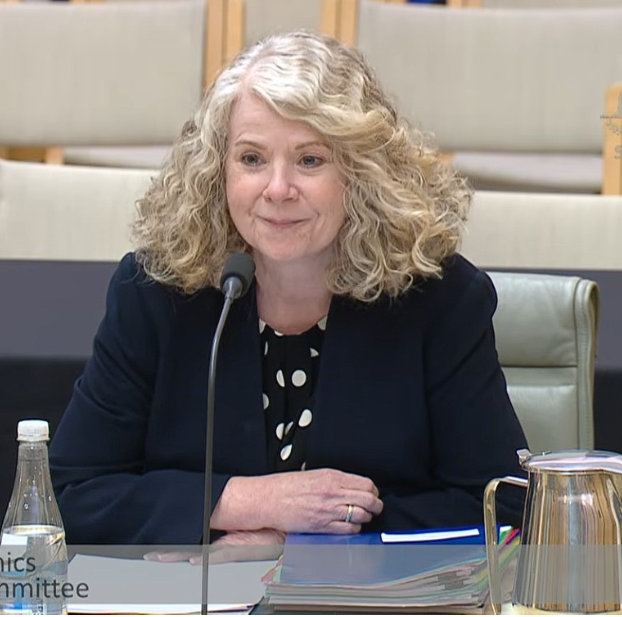
2026 Senate Estimates

Ruth Owen at Senate Estimates

Opening statement from Ruth Owen, Inspector-General of Taxation and Tax Ombudsman at the 2026 Senate Estimates

Thank you for the opportunity to appear before the Committee and to support the important oversight work that it performs. I was appointed to my role in July 2024. My role is to improve the fairness and integrity of tax and super administration in Australia. I fulfil the role by:

  • investigating complaints from taxpayers or tax practitioners about the administration of the Australian Taxation Office (ATO) and the Tax Practitioners Board (TPB)
  • reviewing and making recommendations on systemic issues to improve tax administration
  • providing independent advice to the Government and Parliament on tax administration.

We have worked hard to make our systemic reviews and reports more relevant and accessible. In the last two years, I have completed reviews on the following subjects:

  • the ATO’s management of objections
  • identification and management of financial abuse within the tax system
  • the ATO’s letters and written communications
  • the ATOs registered agent phone line and service to tax agents
  • remission of general interest charges (GIC) on tax debt
  • long running allegations of maladministration from an individual taxpayer.

I am currently investigating:

  • the ATO’s engagement with First Nations taxpayers
  • the ATO’s online services for agents
  • the ATO’s controls for managing the risk of bias in decision-making and communications.

My next review will be examining the ATO’s use of director penalty notices, due to start in July. We will then commence consultation on the next set of reviews that will be undertaken.

While my recommendations to the ATO are not binding, the ATO have agreed to 93% of those I have made in the last two years – resulting in tangible improvements to the tax system to directly benefit taxpayers and the tax practitioners who support them. I am enhancing how I hold the ATO to account for the implementation of my recommendations and also increasing transparency of when we disagree.

Complaints to my office have increased by 127% in the last year, mostly related to debt collection, penalties, tax debt interest and payments. This can largely be attributed to the ATO’s increased focus on debt collection but also our efforts to raise community awareness of our service and how we can help taxpayers receive fair outcomes. Most of those complaints are from people trying to pay their tax but who can’t meet the conditions set by the ATO.

In the last year we have prioritised our attention on taxpayers (including small businesses) facing financial distress or taxpayers experiencing vulnerability. We continue to look out for people or businesses most at risk of falling between the cracks and for whom the tax system is not working as intended. I am particularly proud of the work we have contributed to the whole of government effort to minimise financial abuse and the weaponisation of the tax and child support systems, some of which featured in this year’s Budget.
I have publicly raised my concerns about how tax debt is being collected and enforced and the impact on taxpayers who are trying to do the right thing. The ATO does have administrative powers to offer relief for taxpayers who are experiencing financial hardship and we continue to encourage them to use those powers, with empathy, as the community rightly expects.


Internally within my organisation, we have improved our service to taxpayers, having cleared a large backlog of complaints which had grown following the pandemic period, improved our communications with complainants and the community and increased our productivity by 31%. In MYEFO last year, our funding was increased by $9m for the period 2025–26 to 2028 to support the sustainability of our operations, and in recognition of the improvements we have made in delivering services to taxpayers.

Watch the recording of Ruth at the Senate Estimates