
2026 Senate Estimates

Ruth Owen at Senate Estimates

Opening statement from Ruth Owen, Inspector-General of Taxation and Tax Ombudsman at the 2026 Senate Estimates
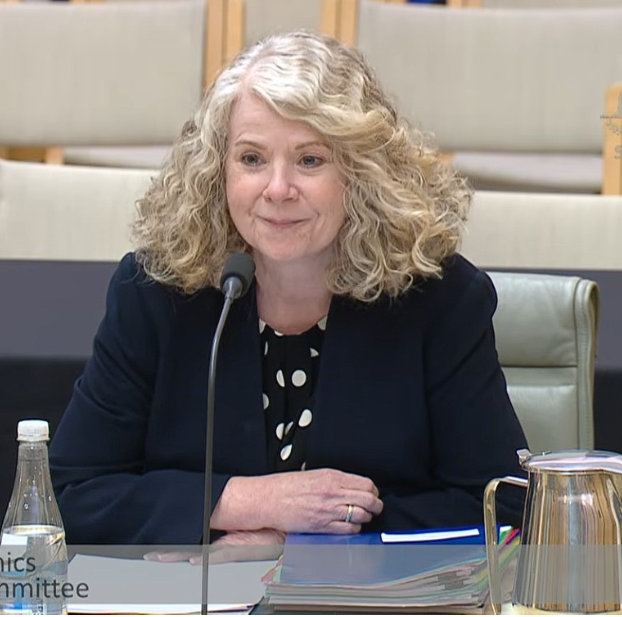
Thank you for the opportunity to appear before the Committee and to support the important oversight work that it performs. I was appointed to my role in July 2024. My role is to improve the fairness and integrity of tax and super administration in Australia. I fulfil the role by:

  • investigating complaints from taxpayers or tax practitioners about the administration of the Australian Taxation Office (ATO) and the Tax Practitioners Board (TPB)
  • reviewing and making recommendations on systemic issues to improve tax administration
  • providing independent advice to the Government and Parliament on tax administration.

We have worked hard to make our systemic reviews and reports more relevant and accessible. In the last two years, I have completed reviews on the following subjects:

  • the ATO’s management of objections
  • identification and management of financial abuse within the tax system
  • the ATO’s letters and written communications
  • the ATOs registered agent phone line and service to tax agents
  • remission of general interest charges (GIC) on tax debt
  • long running allegations of maladministration from an individual taxpayer.

I am currently investigating:

  • the ATO’s engagement with First Nations taxpayers
  • the ATO’s online services for agents
  • the ATO’s controls for managing the risk of bias in decision-making and communications.

My next review will be examining the ATO’s use of director penalty notices, due to start in July. We will then commence consultation on the next set of reviews that will be undertaken.

While my recommendations to the ATO are not binding, the ATO have agreed to 93% of those I have made in the last two years – resulting in tangible improvements to the tax system to directly benefit taxpayers and the tax practitioners who support them. I am enhancing how I hold the ATO to account for the implementation of my recommendations and also increasing transparency of when we disagree.

Complaints to my office have increased by 127% in the last year, mostly related to debt collection, penalties, tax debt interest and payments. This can largely be attributed to the ATO’s increased focus on debt collection but also our efforts to raise community awareness of our service and how we can help taxpayers receive fair outcomes. Most of those complaints are from people trying to pay their tax but who can’t meet the conditions set by the ATO.

In the last year we have prioritised our attention on taxpayers (including small businesses) facing financial distress or taxpayers experiencing vulnerability. We continue to look out for people or businesses most at risk of falling between the cracks and for whom the tax system is not working as intended. I am particularly proud of the work we have contributed to the whole of government effort to minimise financial abuse and the weaponisation of the tax and child support systems, some of which featured in this year’s Budget.
I have publicly raised my concerns about how tax debt is being collected and enforced and the impact on taxpayers who are trying to do the right thing. The ATO does have administrative powers to offer relief for taxpayers who are experiencing financial hardship and we continue to encourage them to use those powers, with empathy, as the community rightly expects.


Internally within my organisation, we have improved our service to taxpayers, having cleared a large backlog of complaints which had grown following the pandemic period, improved our communications with complainants and the community and increased our productivity by 31%. In MYEFO last year, our funding was increased by $9m for the period 2025–26 to 2028 to support the sustainability of our operations, and in recognition of the improvements we have made in delivering services to taxpayers.

Watch the recording of Ruth at the Senate Estimates

Quarterly Newsletter – December 2025

Read the December edition of our quarterly newsletter.

In this issue

  • Complaints snapshot
  • ATO’s registered agent phone line
  • Refreshed FY 25/26 work plan
  • Update: the ATO’s management of GIC remission  
  • Christmas shutdown arrangements

Sign up to our mailing list to receive future editions.

Review: ATO’s registered agent phone line and service offer to agents

We conducted a review into the ATO’s registered agent phone line in response to increasing complaints of poor service. 

Registered tax agents play a vital role in the Australian tax system, representing 62% of individual taxpayers and 96% of other taxpayers.

The ATO encourages registered agents to use its online services but, with 65% of agents reporting problems, there is still a strong demand for their dedicated registered agent phone line. 

Our review looked into the differences between what registered agents expect of the phone service and what the ATO provides, as well as how the ATO is consulting with agents, to make recommendations on how the service can be improved.

We undertook widespread consultation with the tax community in early 2025 to inform our review and final recommendations. We thank all those who participated in the review through submissions, an online survey and consultation activities.

Read the report: Review: Systemic review of the effectiveness of the ATO’s registered agent phone line.

Media release: Tax Ombudsman criticises the ATO over service to agents

We conducted a review into the ATO’s registered agent phone line and service offer to agents in response to increasing complaints of poor service. 

Registered tax agents play a vital role in the Australian tax system, representing 62% of individual taxpayers and 96% of other taxpayers.

The ATO encourages registered agents to use its online services but, with 65% of agents reporting problems, there is still a strong demand for their dedicated registered agent phone line. 

Our review looked into the differences between what registered agents expect of the phone service and what the ATO provides, as well as how the ATO is consulting with agents, to make recommendations on how the service can be improved.

The ATO agreed to all but one of our 14 recommendations, rejecting the idea of routing agents’ calls to more experienced or skilled staff.

To access the report, visit Review: Systemic review of the effectiveness of the ATO’s registered agent phone line. – Tax Ombudsman

Work plan 2026-27

Following extensive consultation in September 2026, we have selected two priority systemic reviews to commence in early 2027.  A further two reserve topics will be considered in mid-2027, subject to resourcing and emerging priorities. 

The consultation surfaced a range of topics that we were not able to adopt as part of the work plan. We will continue to monitor these and emerging issues raised through complaints and stakeholder feedback and consider opportunities to address them through other work. The next consultation to refresh the work plan will take place in mid-2027. 

1. ATO’s administration of release from tax debts – planned start in March 2027 TBC 

Examining how the ATO handles applications to permanently release certain tax debts where payment would cause serious hardship. It will consider the clarity of public guidance, the consistency of decisions and review processes, and how the ATO manages release of debts below $10,000. 

2. ATO’s management of deceased estates – planned start in May 2027 TBC  

Examining how the ATO administers and manages deceased estate tax obligations and its interactions with the loved ones of those that have passed away. The review will also consider whether changes introduced since our 2020 review have improved the experience of people managing deceased estates.  

Reserve topics 

ATO’s management of compromised accounts TBC 

Examining the support available to taxpayers and their representatives when accounts are compromised by identity fraud. It would consider timely assistance to secure accounts, measures to prevent further compromise and opportunities for better collaboration between agencies. 

TPB’s management of complaints and alleged breaches of the Tax Agent Services Act 2009 TBC 

Examining how the Tax Practitioners Board (TPB) handles complaints and referrals about potential breaches of the Tax Agent Services Act 2009, including the Code of Professional Conduct. It would consider whether investigations and sanctions are consistent, transparent and proportionate, including how the TPB distinguishes between major and minor breaches. 

How we develop our workplan 

We undertake 4 systemic reviews on key topics of interest per year. We consult with the community on our work plan twice a year to ensure that it remains relevant and responsive to changing environmental, social and policy priorities.     

Where topics are not selected for a review, we may look to undertake a short project, consultation or produce a discussion paper on matters of importance to the community. These activities would not include formal recommendations to the ATO but would be made publicly available and help to continue the conversation.  

Further details on our current and upcoming reviews can be found on our current reviews page.  

Corporate Plan FY26-FY29

This Plan builds on the considerable progress we made as an agency in the last 12 months, my first as the agency head. While we have changed our brand to the Tax Ombudsman – to increase the community’s awareness and understanding of what we do – our purpose, ambitions and goals remain the same. We exist to improve the fairness and integrity in the administration of Australia’s tax and superannuation systems.