
2026 Senate Estimates
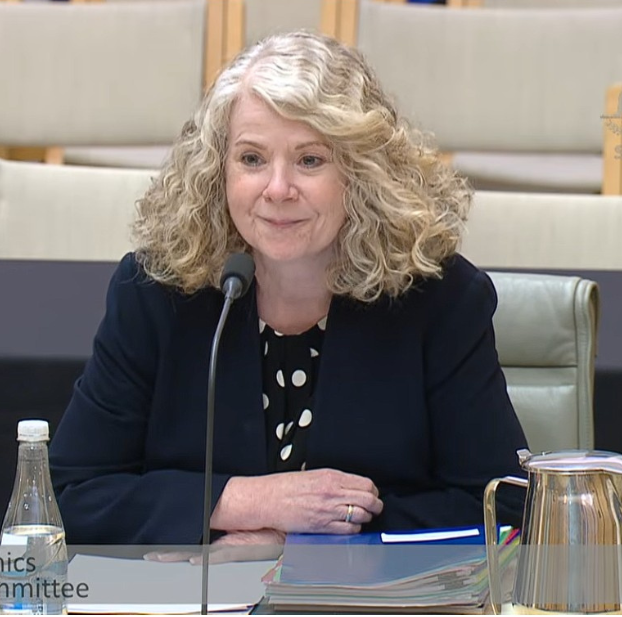
Opening statement from Ruth Owen, Inspector-General of Taxation and Tax Ombudsman at the 2026 Senate Estimates
Thank you for the opportunity to appear before the Committee and to support the important oversight work that it performs. I was appointed to my role in July 2024. My role is to improve the fairness and integrity of tax and super administration in Australia. I fulfil the role by:
- investigating complaints from taxpayers or tax practitioners about the administration of the Australian Taxation Office (ATO) and the Tax Practitioners Board (TPB)
- reviewing and making recommendations on systemic issues to improve tax administration
- providing independent advice to the Government and Parliament on tax administration.
We have worked hard to make our systemic reviews and reports more relevant and accessible. In the last two years, I have completed reviews on the following subjects:
- the ATO’s management of objections
- identification and management of financial abuse within the tax system
- the ATO’s letters and written communications
- the ATOs registered agent phone line and service to tax agents
- remission of general interest charges (GIC) on tax debt
- long running allegations of maladministration from an individual taxpayer.
I am currently investigating:
- the ATO’s engagement with First Nations taxpayers
- the ATO’s online services for agents
- the ATO’s controls for managing the risk of bias in decision-making and communications.
My next review will be examining the ATO’s use of director penalty notices, due to start in July. We will then commence consultation on the next set of reviews that will be undertaken.
While my recommendations to the ATO are not binding, the ATO have agreed to 93% of those I have made in the last two years – resulting in tangible improvements to the tax system to directly benefit taxpayers and the tax practitioners who support them. I am enhancing how I hold the ATO to account for the implementation of my recommendations and also increasing transparency of when we disagree.
Complaints to my office have increased by 127% in the last year, mostly related to debt collection, penalties, tax debt interest and payments. This can largely be attributed to the ATO’s increased focus on debt collection but also our efforts to raise community awareness of our service and how we can help taxpayers receive fair outcomes. Most of those complaints are from people trying to pay their tax but who can’t meet the conditions set by the ATO.
In the last year we have prioritised our attention on taxpayers (including small businesses) facing financial distress or taxpayers experiencing vulnerability. We continue to look out for people or businesses most at risk of falling between the cracks and for whom the tax system is not working as intended. I am particularly proud of the work we have contributed to the whole of government effort to minimise financial abuse and the weaponisation of the tax and child support systems, some of which featured in this year’s Budget.
I have publicly raised my concerns about how tax debt is being collected and enforced and the impact on taxpayers who are trying to do the right thing. The ATO does have administrative powers to offer relief for taxpayers who are experiencing financial hardship and we continue to encourage them to use those powers, with empathy, as the community rightly expects.
Internally within my organisation, we have improved our service to taxpayers, having cleared a large backlog of complaints which had grown following the pandemic period, improved our communications with complainants and the community and increased our productivity by 31%. In MYEFO last year, our funding was increased by $9m for the period 2025–26 to 2028 to support the sustainability of our operations, and in recognition of the improvements we have made in delivering services to taxpayers.